

Spinal Instability
Spinal instability means your spine cannot maintain its normal alignment under physiological loads. Apteum Spine specializes in diagnosing and treating spinal instability using the latest surgical and non-surgical techniques.
What Is Spinal Instability?
Spinal instability refers to a loss of the spine’s ability to maintain its normal pattern of movement and alignment under normal physiological loads. When the spine is unstable, there may be excessive or abnormal movement between vertebrae, which can lead to pain, progressive deformity, and potential neurological compromise. It can affect any region of the spine.
Causes of Spinal Instability
Spinal instability can result from degenerative changes (worn discs and facet joints), trauma or fractures, tumors that weaken the vertebral structure, infections, previous spinal surgery, inflammatory conditions like rheumatoid arthritis, and congenital abnormalities. Degenerative instability is the most common form, particularly in the lumbar spine.
Surgical Stabilization
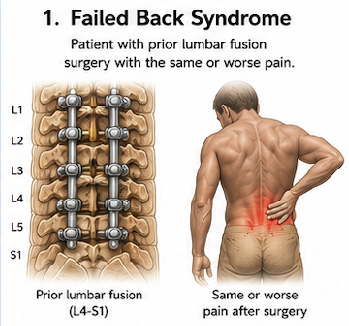
When conservative treatment fails to adequately address spinal instability, surgical stabilization may be recommended. This typically involves spinal fusion, where two or more vertebrae are permanently joined together using bone grafts and hardware (screws and rods). Apteum Spine utilizes robotic-assisted techniques to achieve optimal screw placement and fusion success rates.
Ready to Get Help?
Take the first step toward relief with a personalized consultation.
What Is Spinal Instability?
Spinal instability means the vertebrae move more than they should, often causing pain, nerve irritation, and a feeling that the back may “give way.” It can result from degeneration, a slipped vertebra (spondylolisthesis), prior surgery, or injury. At Apteum Spine, we carefully confirm true instability before recommending stabilizing treatment.
Symptoms
• Back or neck pain that worsens with movement or standing
• A sensation of catching, locking, or “giving way”
• Pain relieved by rest or bracing
• Hardware-related issues or a non-healing fusion
•Radiating pain, numbness, or weakness if nerves are involved
Causes
Degenerative changes, spondylolisthesis, fractures, prior surgery, or congenital factors. Accurate diagnosis often requires flexion-extension X-rays in addition to MRI or CT.
Treatment Options
• Physical therapy and core strengthening
• Activity modification and bracing in select cases
• Minimally invasive stabilization or fusion when instability is confirmed and symptoms persist
Frequently Asked Questions
Does instability always require surgery?
No. Many cases are managed conservatively; surgery is considered when instability is confirmed and causing persistent symptoms.
How is instability diagnosed?
Often with dynamic (flexion-extension) X-rays alongside MRI or CT to see how the spine moves.
Medically reviewed by Louis G. Cornacchia III, M.D., FAANS, FACS — board-certified neurosurgeon. Last updated: June 2026. This page is for general education and is not a substitute for medical advice. For urgent symptoms, call (609) 831-0998 or go to the nearest emergency room.