

Spinal Stenosis
Spinal stenosis can significantly impact your quality of life. At Apteum Spine, we specialize in advanced diagnostic techniques and minimally invasive treatments to relieve the pressure on your spinal nerves.
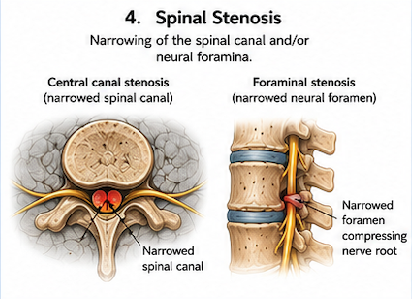
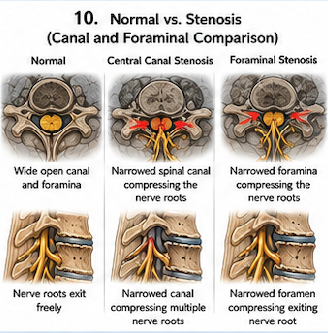
What Is Spinal Stenosis?
Spinal stenosis is a condition in which the spinal canal narrows, reducing the space available for the spinal cord and nerves. This narrowing can put pressure on the spinal cord and nerve roots, leading to pain, numbness, and weakness. It most commonly occurs in the lumbar (lower back) and cervical (neck) regions of the spine.
What Causes Spinal Stenosis?
The most common cause of spinal stenosis is osteoarthritis-related wear and tear on the spine. As the cartilage that cushions the joints breaks down, the body may produce bone spurs that grow into the spinal canal. Other causes include herniated discs, thickened ligaments, spinal injuries, tumors, and congenital spinal canal narrowing.
How Does Spinal Stenosis Progress?
Spinal stenosis typically develops gradually over time. Some people with spinal stenosis may have no symptoms, while others experience increasing pain and disability. Without treatment, the condition can worsen, leading to chronic pain, balance problems, incontinence, and in severe cases, paralysis.
Ready to Get Help?
Take the first step toward relief with a personalized consultation.
What Is Spinal Stenosis?
Spinal stenosis is a narrowing of the spaces within your spine that can put pressure on the spinal cord and nerves — most often in the lower back or neck. It tends to develop gradually with age. At Apteum Spine, we evaluate how much the narrowing is actually affecting you and match treatment to your symptoms, not just the scan.
Symptoms
• Leg pain, heaviness, or cramping that worsens with standing or walking and eases when sitting or leaning forward (neurogenic claudication)
• Numbness, tingling, or weakness in the legs or arms
• Neck or lower back pain
• In severe cases, balance or bowel/bladder changes (seek prompt care)
Treatment Options
• Physical therapy and activity modification
• Anti-inflammatory medication and epidural injections
• Minimally invasive surgery when conservative care fails and there is a clear, correctable cause
• Decompression with stabilization only when instability is present
Causes
Most stenosis is degenerative — from arthritis, thickened ligaments, bone spurs, or bulging discs narrowing the canal over time. It can also stem from prior injury or be congenital.
Diagnosis
Evaluation includes your history, a neurological exam, and MRI or CT imaging to confirm the level and severity of narrowing.
Frequently Asked Questions
Does spinal stenosis always get worse?
It often progresses slowly, but many people manage symptoms for years without surgery.
Is walking good for stenosis?
Staying active generally helps; we tailor specific recommendations to your case and comfort.
Medically reviewed by Louis G. Cornacchia III, M.D., FAANS, FACS — board-certified neurosurgeon. Last updated: June 2026. This page is for general education and is not a substitute for medical advice. For urgent symptoms, call (609) 831-0998 or go to the nearest emergency room.